Let's start with the uncomfortable truth that nobody in the nomad community wants to say out loud: if you're sitting in a cafe in Lisbon, Chiang Mai, or Canggu right now, tapping away on your laptop for a company or client back home, you are almost certainly breaking the law of the country you're in.
Not in some abstract, technical sense. In a real, "you could be fined or deported" sense.
I know, I know. Everybody does it. The immigration officer didn't ask. The WiFi password at the coworking space didn't come with a legal disclaimer. But "everybody does it" has never been a legal defense, and 2026 is shaping up to be the year when governments start making that clear.
This article is not here to judge. I've been on the wrong side of this line myself. It's here to lay out the actual legal landscape, help you understand the risks you're taking, and point you toward options that didn't exist a few years ago.
The Legal Reality: What Tourist Visas Actually Allow
Here is what virtually every tourist visa, visa waiver, and visa-exempt entry in the world has in common: they do not authorize work.
The language varies by country, but the intent is the same. A tourist visa permits you to visit, sightsee, attend meetings (sometimes), and spend money. It does not permit you to earn money while physically present in that country. This applies whether you're freelancing, employed full-time by a foreign company, or running your own business from a laptop.
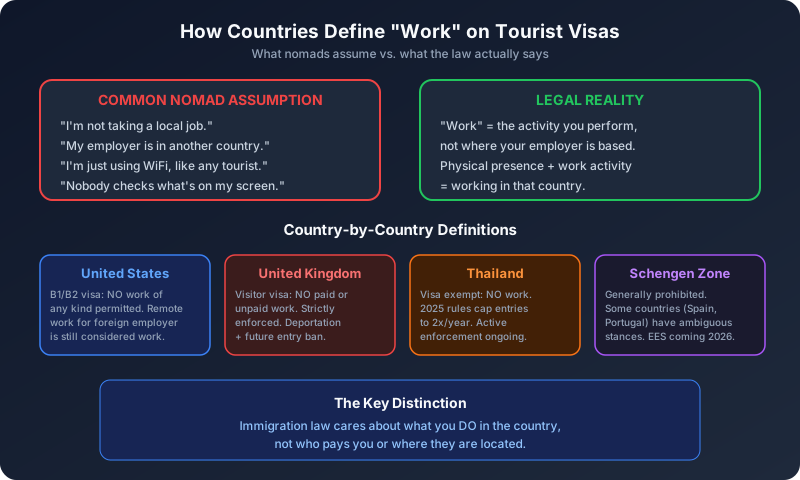
"But I'm not taking a local job," you might say. "My clients are in the US. My employer is in Berlin. I'm just sitting here with a laptop."
That argument, while emotionally satisfying, doesn't hold up legally in most jurisdictions. Immigration law in the vast majority of countries defines "work" by the activity you perform, not by where your employer or clients are located. If you're performing work while physically present in a country, many legal frameworks consider that working in that country.
The Gray Area That Everyone Lives In
Now, here is the nuance that keeps this whole ecosystem running: enforcement is almost nonexistent.
Immigration officers at passport control are not checking your laptop for Slack notifications. Nobody is monitoring the WiFi at your Airbnb to see if you're on a Zoom call with your product team. In practice, millions of remote workers enter countries on tourist visas every single day, open their laptops, and work without any consequences whatsoever.
This creates a strange situation. The law says one thing. Reality says another. And most digital nomads live comfortably in the gap between the two.
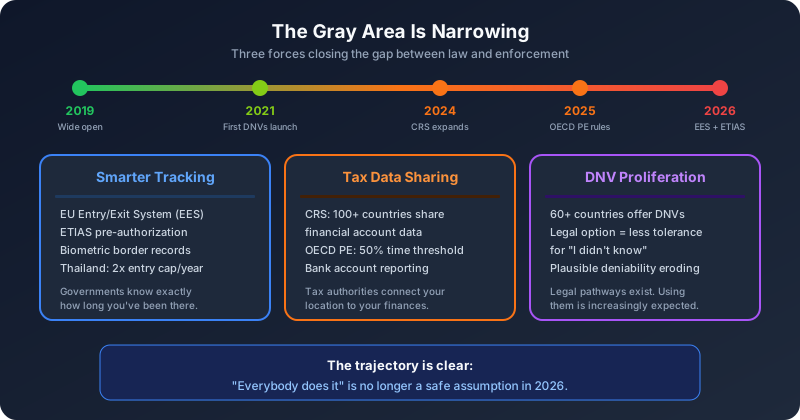
But that gap is narrowing. And it's narrowing for three reasons.
1. Governments are getting smarter about tracking
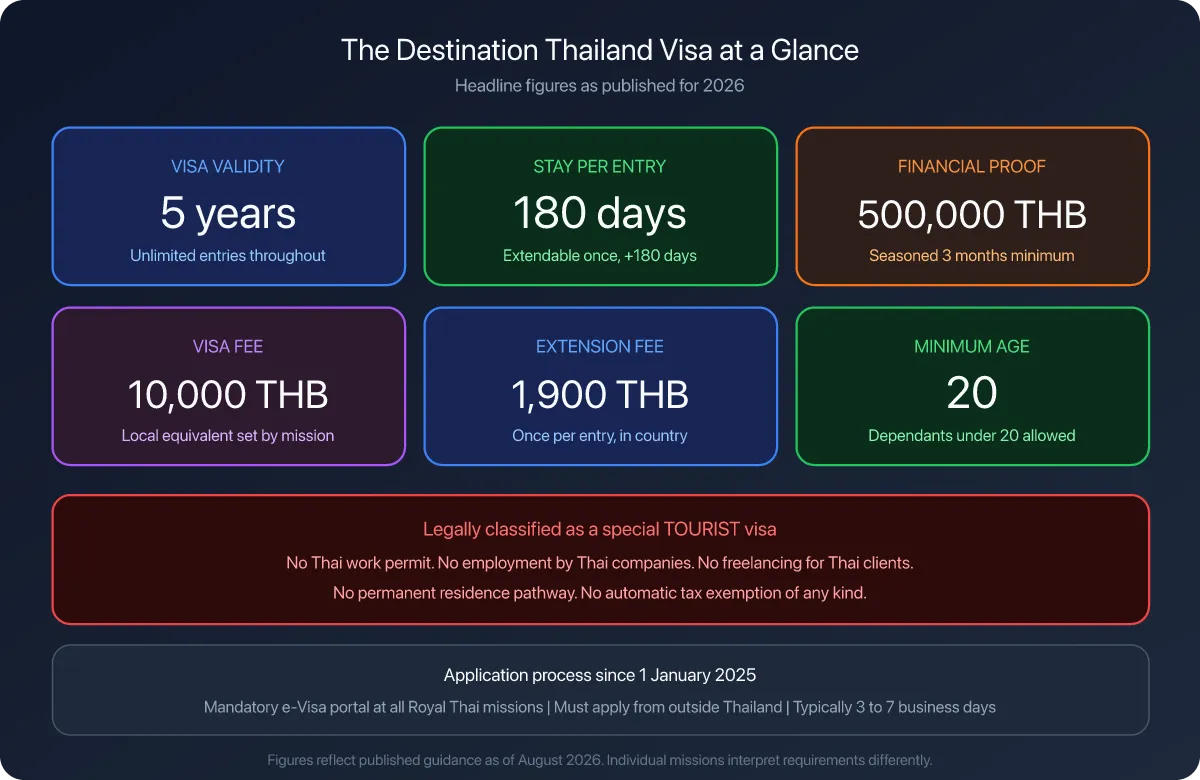
The EU's Entry/Exit System (EES) and ETIAS are rolling out in 2026, creating biometric records of every border crossing. Thailand now limits visa-exempt entries to just two per calendar year and denied entry to approximately 2,900 foreigners in 2025 alone under tighter enforcement rules. Indonesia has formalized income thresholds and tax residency triggers. The days of "they don't know how long I've been here" are ending.
2. Tax authorities are connecting the dots
Even if immigration doesn't catch you, tax authorities increasingly share data across borders through the Common Reporting Standard (CRS). If you have bank accounts, investment accounts, or receive payments in multiple countries, those financial institutions report to tax authorities. Spending 5 months in Spain while claiming to be tax resident nowhere raises flags that didn't exist a decade ago.
3. Digital nomad visas are making the gray area grayer
This is the ironic part. As more countries create specific legal pathways for remote workers, the implicit tolerance for those who don't use them shrinks. When Thailand, Portugal, Spain, and 60+ other countries offer dedicated digital nomad visas, it becomes harder to argue that you "didn't know" you needed permission to work there. The existence of a legal option undermines the plausible deniability that the gray area relied on.
What Actually Happens If You Get Caught
Let's be specific about the risks, because "you could get in trouble" isn't useful advice.
At the border: The most common enforcement point is passport control. If an immigration officer suspects you're working on a tourist visa, they can deny you entry entirely. This is increasingly common in Thailand, where officers now scrutinize frequent visitors, and in the UK, where working on a visitor visa can result in immediate removal and a future entry ban.
During your stay: Some countries conduct workplace raids or investigate reports. This is rare for laptop workers in cafes, but it does happen in coworking spaces, especially in countries that are actively trying to channel nomads into paid visa programs. Bali has seen periodic enforcement actions against foreigners working without proper permits.
Tax consequences: Even if immigration never questions you, spending significant time in a country can trigger tax residency. Most countries use a 183-day threshold, but some (like Spain) also consider your "center of vital interests." You might not get deported, but you could receive a tax bill you weren't expecting.
Employer liability: This is the risk that affects more people than they realize. If your employer knows you're working from abroad, they may be creating what's called a "permanent establishment" in that country. The OECD's November 2025 update introduced a new framework: if an employee spends more than 50% of their working time in a foreign country, that can trigger corporate tax obligations for the employer. This is why many companies now have strict policies about where employees can work from.
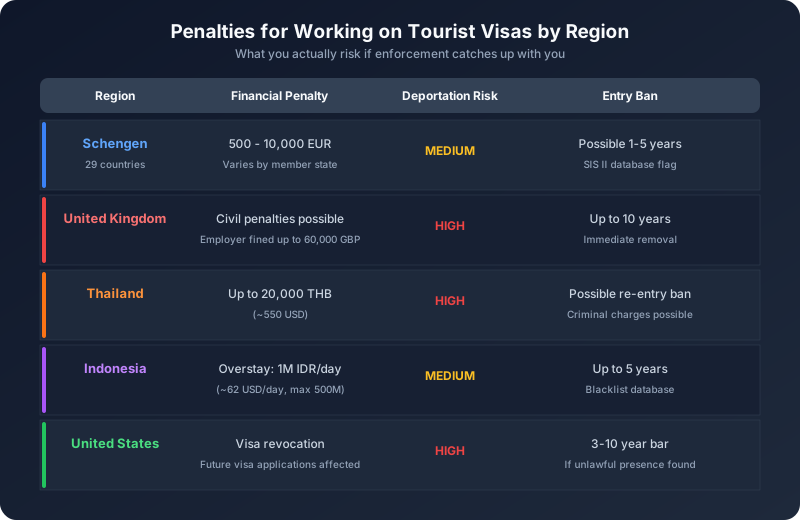
The penalties by region:
- Schengen/EU: Fines ranging from a few hundred to several thousand euros. Spain's overstay fines range from 500 to 10,000 euros. Potential entry bans.
- UK: Deportation and future entry ban, with limited appeal options.
- Thailand: Denial of entry, fines up to 20,000 baht, potential detention and deportation. Criminal charges in serious cases.
- Indonesia: Fines, deportation, and potential re-entry bans. The E33G digital nomad visa now requires proof of $60,000+ annual income.
- United States: Working on a B1/B2 tourist visa can result in visa revocation, deportation, and being barred from future visas.
The Country-by-Country Reality
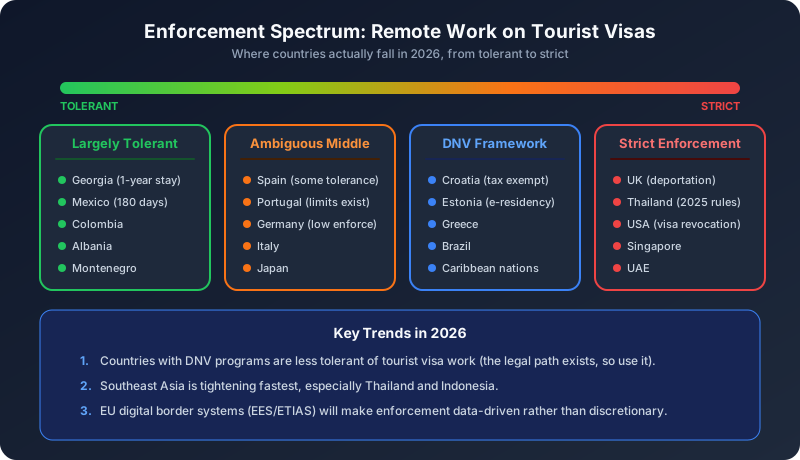
Not every country treats this issue the same way. Here is an honest assessment of where things stand in 2026.
Countries that largely tolerate remote work on tourist visas
Georgia remains one of the most nomad-friendly countries, with a one-year visa-free stay for many nationalities and no real enforcement against remote workers. Mexico similarly allows 180-day tourist stays and takes a relaxed approach. Colombia and most of South America are generally tolerant, though this could change.
Countries with explicit digital nomad frameworks
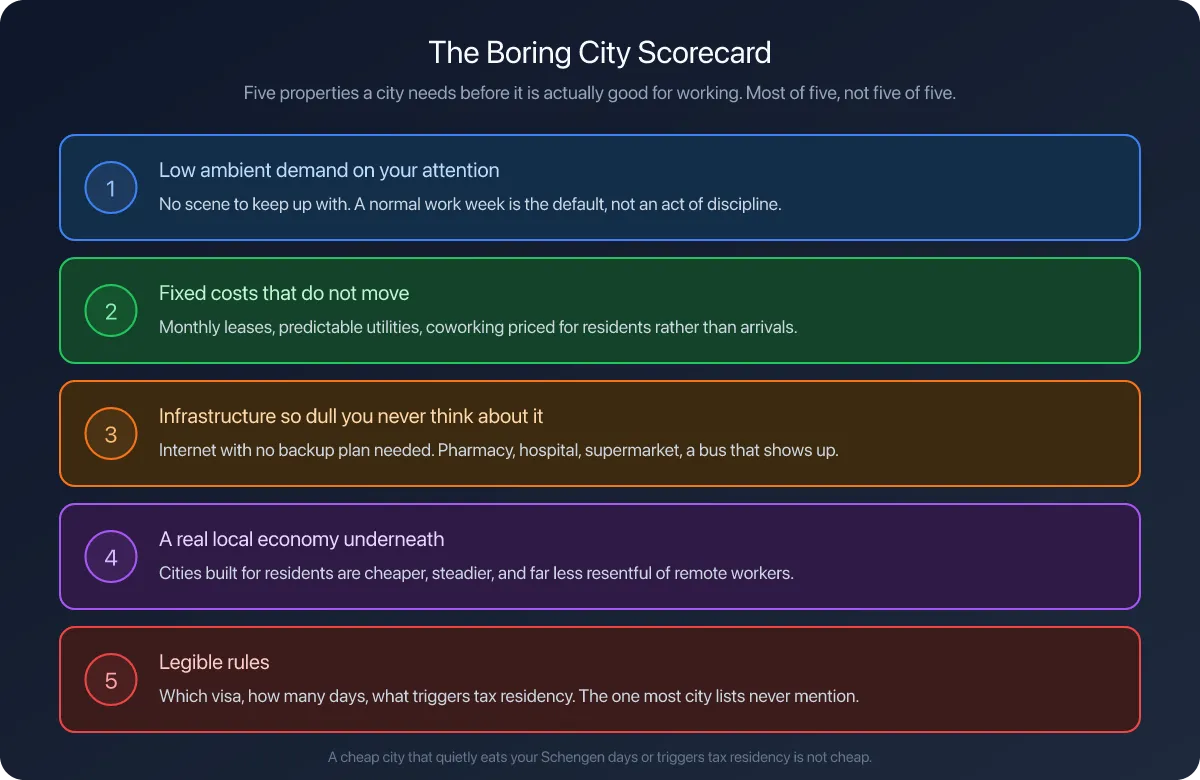
Over 60 countries now offer dedicated digital nomad visas, including Spain, Portugal, Croatia, Greece, Estonia, Thailand, Indonesia, Brazil, and many Caribbean nations. These range from reasonable (Croatia's tax exemption for the first year) to expensive (Indonesia's $60,000 income requirement).
Countries actively tightening enforcement
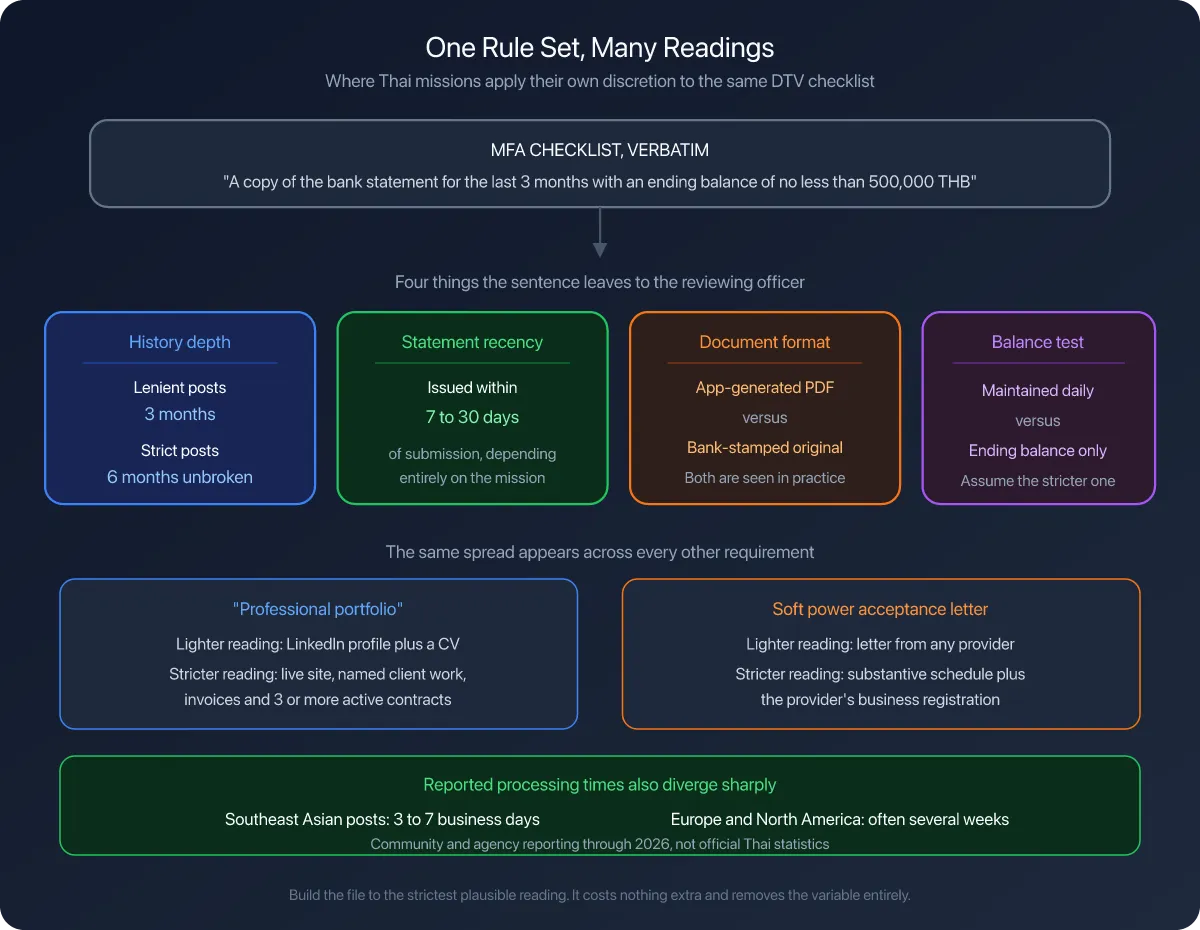
Thailand is the clearest example. The November 2025 visa rule changes cap visa-exempt entries at two per year and have already resulted in thousands of entry denials, and the exemption itself dropped from 60 days to 30 in September 2026. Indonesia is tightening tax compliance around the 183-day threshold. The UK has always been strict and post-Brexit enforcement has only increased for non-UK nationals.
Countries in the awkward middle
Spain technically allows some remote work on tourist stays, but the line between "checking emails" and "working full time" is legally undefined. Portugal takes a similar position. Germany explicitly prohibits work on tourist visas but enforcement is minimal for short stays. These ambiguous stances create the most confusion.
So What Should You Actually Do?
I'm not going to pretend there's a clean answer here. The honest reality is that millions of people will continue working on tourist visas in 2026, and the vast majority will face zero consequences. But "probably fine" is not the same as "legal," and the trend is clearly moving toward more enforcement, not less.
Here is how I think about it.
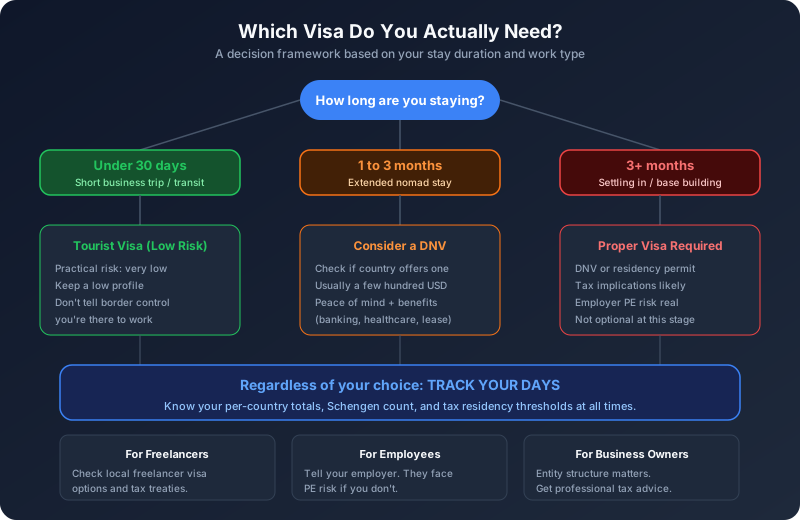
For short stays (under 30 days)
The practical risk is extremely low. If you're spending two weeks in Italy and answering work emails, no one is going to come after you. This is the kind of gray area that even immigration lawyers acknowledge exists, while still reminding you that it's technically not permitted. Use common sense. Don't tell the border officer you're there to work.
For medium stays (1 to 3 months)
This is where it gets more complicated. You're now in a country long enough to potentially trigger questions at immigration, especially on departure or re-entry. If the country offers a digital nomad visa and you can qualify, it's worth serious consideration. The cost is usually a few hundred dollars and the peace of mind alone is worth it.
For long stays (3+ months)
Get proper authorization. Full stop. At this point you're not a tourist by any reasonable definition. You likely have tax implications. Your employer may have permanent establishment exposure. A digital nomad visa, a freelancer visa, or a proper residency permit is not optional at this stage. It's the cost of doing business.
For employers
If you know your employees are working from abroad, you need a policy. The OECD's 2025 permanent establishment framework gives you a 50% safe harbor, meaning employees spending less than half their working time in a foreign country are unlikely to create tax exposure. But you need to track this, and you need to be deliberate about it.
Why This Matters More Than You Think
Beyond the legal risk, there is a bigger issue that the nomad community doesn't discuss enough: the sustainability of the lifestyle itself.
Every time a nomad gets caught working illegally, it makes things harder for every nomad who comes after them. Countries that might have introduced friendly policies instead crack down. Coworking spaces get scrutinized. Landlords become wary of renting to foreigners.
The countries that are building digital nomad visa programs are doing so because they want remote workers and the economic benefits they bring. Using those programs, even when the gray area is tempting, sends a signal that the nomad community takes compliance seriously. That's how we get better visa options, longer stays, and more welcoming policies in the future.
Track Your Days, Know Your Risk
Whatever approach you take, the single most important thing you can do is know exactly where you've been and for how long. The difference between "I was in Spain for about three months, I think" and "I was in Spain for exactly 78 days between these dates" can be the difference between a clean exit and a problem at the border.
This is why we built day tracking into Nomad Tracker as a core feature, not an afterthought. The app logs your location automatically, tracks per-country totals alongside your Schengen-wide count, and alerts you when you're approaching thresholds that matter: 90 days for immigration, 183 days for tax residency. If you ever need to prove where you were and when, the data is right there on your device.
Because if there's one thing worse than working in a legal gray area, it's doing so without even knowing where you stand.
Know exactly where you stand.
Nomad Tracker automatically logs your days per country, monitors Schengen limits, and alerts you before you hit tax residency thresholds. All on-device, all private.
Download on the App Store